Explore
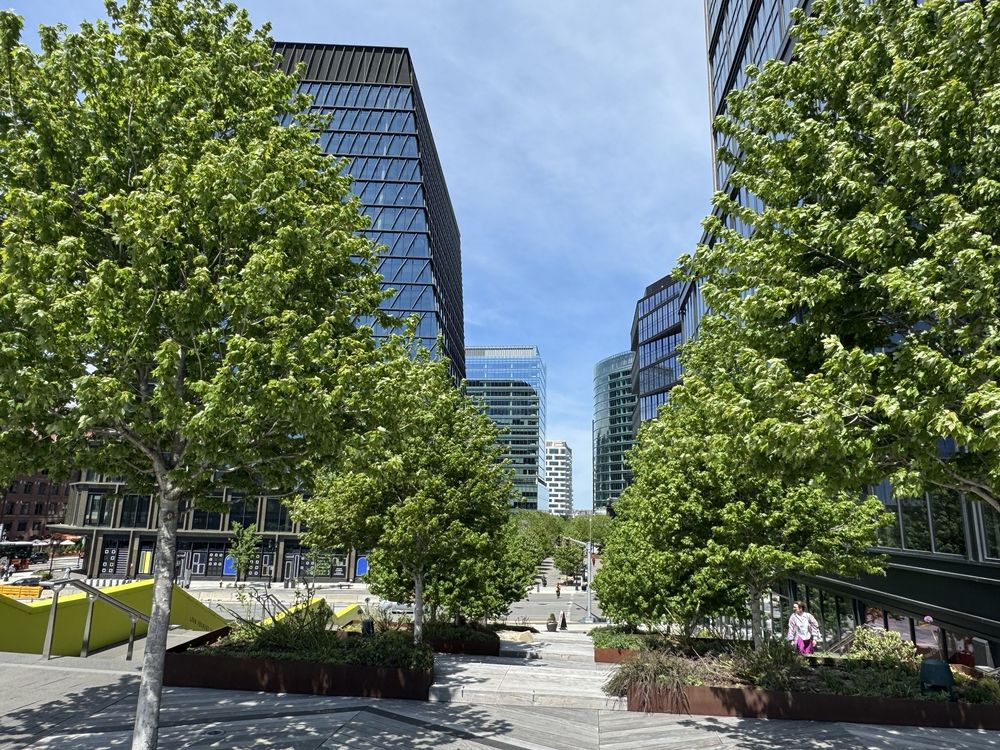
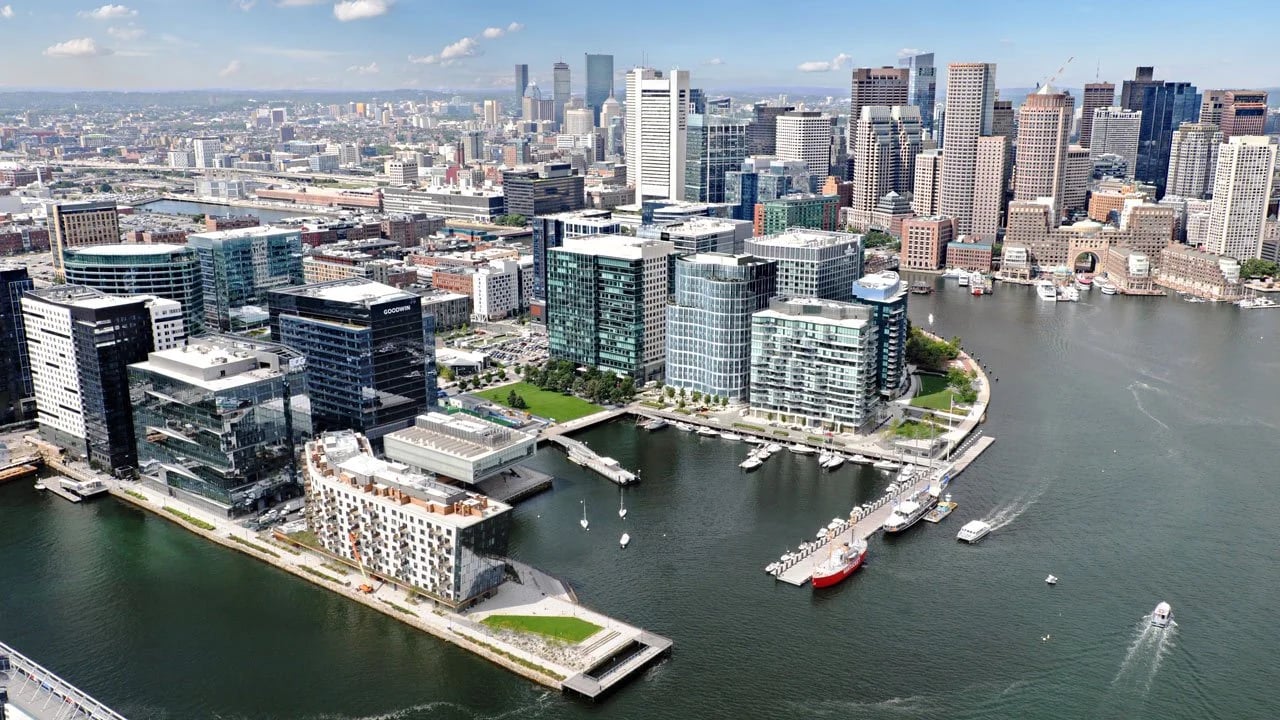
Where Back Bay and Beacon Hill offer old Boston, Seaport offers something the city had never quite built before: a waterfront district of glass towers, private terraces, and harbor views, developed from the ground up over the past two decades into one of the most sought-after luxury markets in the Northeast. It's Boston's newest luxury enclave, and its youngest — drawing buyers who want new construction, floor-to-ceiling views of Boston Harbor, and a walkable, amenity-driven lifestyle without sacrificing proximity to the Financial District and Back Bay. For buyers cross-shopping the Seaport against the brownstone streets of Back Bay or Beacon Hill, the contrast is part of the appeal.
The Seaport is Boston's premium address for buyers who want turnkey, new-construction luxury rather than restored pre-war architecture. As of mid-2026, median prices in the neighborhood's core sit near $1.7M–$3M, with average price-per-square-foot around $2,200 — the highest of any Boston neighborhood. One-bedroom residences start in the low $600,000s, while a standard two-bedroom typically runs $1.8M–$2M, and the neighborhood's most exceptional penthouses reach $5M and beyond.
Monthly condominium fees generally range from roughly $550 to $4,000, reflecting the scale of amenities on offer — think resident lounges, fitness centers, pools, and dedicated concierge staff. Days on market tend to run longer than in Back Bay or Beacon Hill, which buyers should read less as weak demand and more as a market where sellers can afford to wait for the right offer.
Seaport is built for buyers who want a modern, resort-style lifestyle on the water — new construction, expansive views, and a walkable district designed around dining and design. If historic character and pre-war architecture matter more to you than harbor views, Back Bay and Beacon Hill are worth a look as well. Ricardo can help you weigh new construction against historic inventory based on how you plan to use the property.
Seaport is Boston's most deliberate act of residential creation — an entire neighborhood engineered from the ground up within the last fifteen years. The product here is overwhelmingly luxury condominium and rental, housed in architecturally ambitious towers with best-in-class amenities: attended lobbies, private dining rooms, rooftop pools, and direct harbor access. Unit finishes trend toward European kitchens, wide-plank flooring, and walls of glass oriented for water views. Penthouse and full-floor residences at the top of the market regularly trade above $3,000 per square foot. The Seaport appeals to a specific buyer profile — one drawn to new construction, turnkey living, and a neighborhood that feels more like a global destination than a traditional Boston address. Nothing here is inherited. Everything is intentional.
5,250 people live in Seaport, where the median age is 31 and the average individual income is $133,844. Data provided by the U.S. Census Bureau.
Total Population
Median Age
Population Density
Average individual Income
There's plenty to do around Seaport, including shopping, dining, nightlife, parks, and more. Data provided by Walk Score and Yelp.
Explore popular things to do in the area, including World Ocean School, Summer Street Steps, and Treading the Boston Atheletic Club.
| Name | Category | Distance | Reviews |
Ratings by
Yelp
|
|---|---|---|---|---|
| Active | 0.26 miles | 0 reviews | 0/5 stars | |
| Active | 0.4 miles | 1 review | 5/5 stars | |
| Active | 0.53 miles | 0 reviews | 0/5 stars | |
|
|
||||
|
|
||||
|
|
||||
|
|
||||
|
|
||||
|
|
Seaport has 3,422 households, with an average household size of 1. Data provided by the U.S. Census Bureau. Here’s what the people living in Seaport do for work — and how long it takes them to get there. Data provided by the U.S. Census Bureau. 5,250 people call Seaport home. The population density is 10,769 and the largest age group is Data provided by the U.S. Census Bureau.
Total Population
Population Density Population Density This is the number of people per square mile in a neighborhood.
Median Age
Men vs Women
Population by Age Group
0-9 Years
10-17 Years
18-24 Years
25-64 Years
65-74 Years
75+ Years
Education Level
Total Households
Average Household Size
Average individual Income
Households with Children
With Children:
Without Children:
Blue vs White Collar Workers
Blue Collar:
White Collar:

Mon - Fri, 9 am - 6 pm Address Goes Here
Mon - Fri, 9 am - 6 pm Address Goes Here