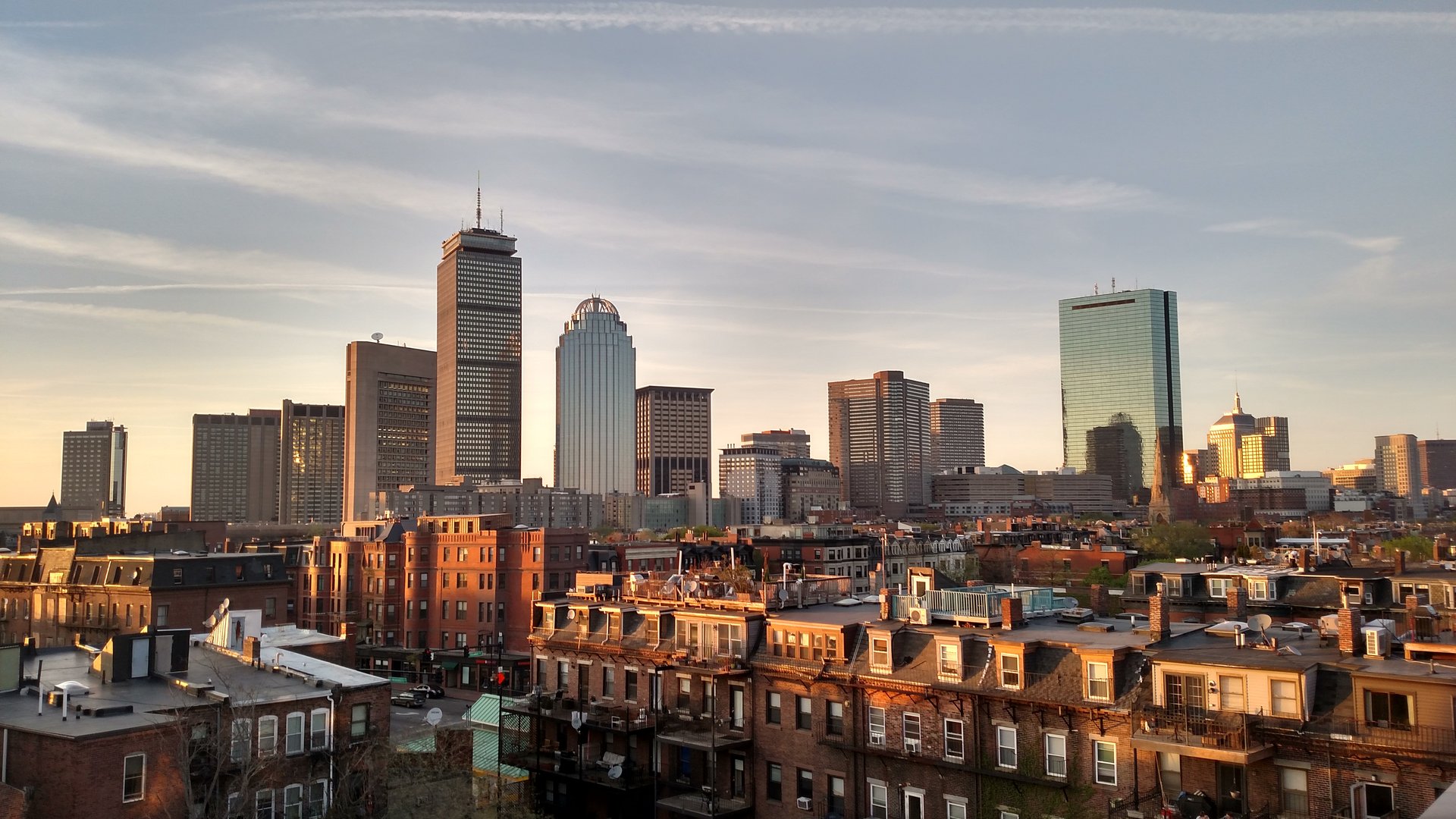
Boston
The right Boston neighborhood depends on how you live.
Some buyers want to walk to dinner and the T. Others want a yard and a driveway. Prices, commutes, and the homes available change a lot from one area to the next.
Ricardo Rodriguez & Associates has helped buyers move to Boston and greater New England for more than 20 years. This guide covers what it costs, where people settle, how you'll get around, and the order to do things in.
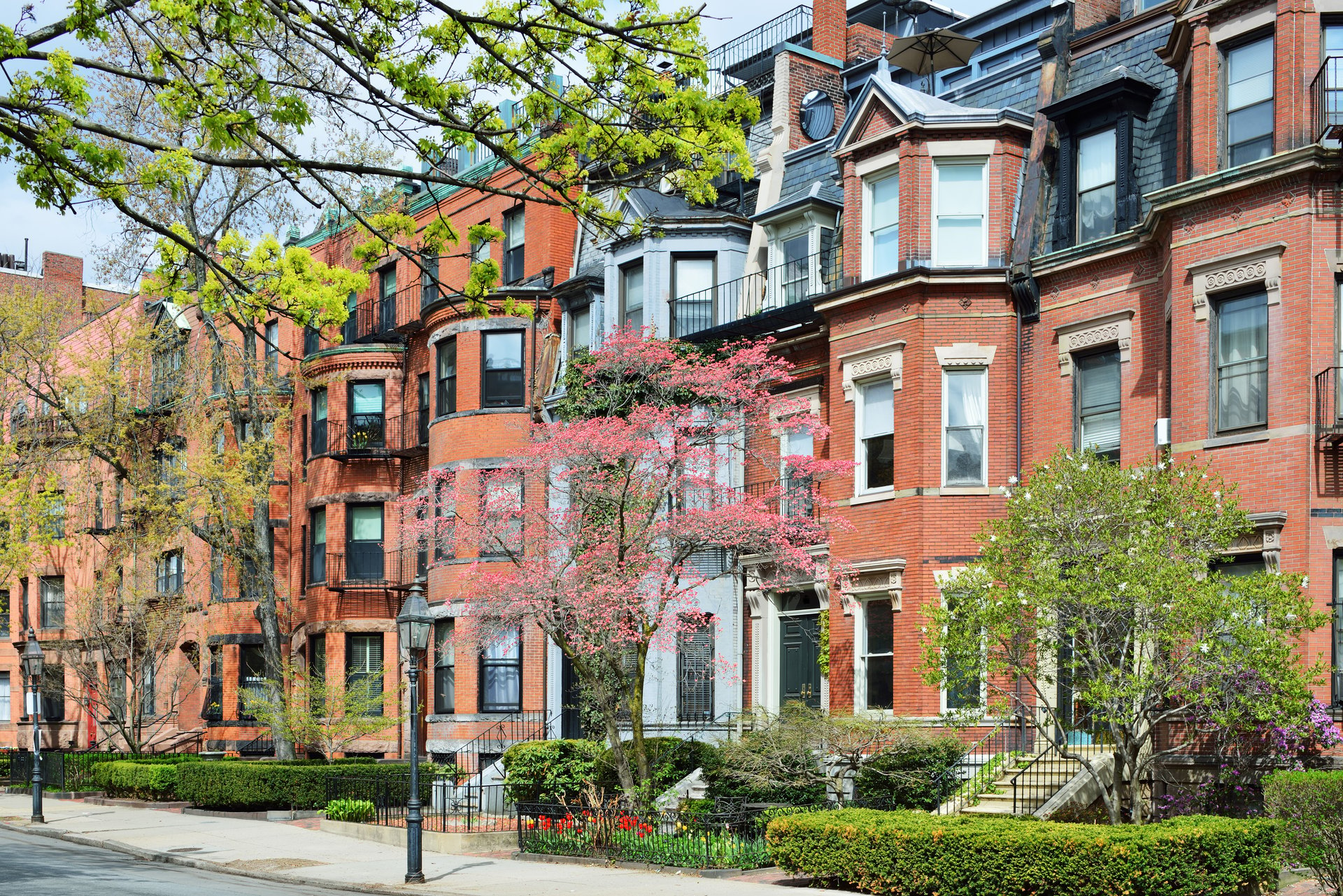
Why People Move to Boston
Boston is small for a major city, and that is a large part of the appeal. Hospitals, universities, financial firms, and life sciences companies sit close together, so many buyers can live near where they work. The harbor, the Charles River, and the city's parks are a short walk or ride from downtown.
Outside the city, the North Shore, the South Shore, and Cape Cod are a drive away for weekends. The city also has four real seasons, with cold, snowy winters and warm summers. We cover what that means for your daily routine below.
What it costs to live in
Two costs shape your budget more than the sticker price: Massachusetts income tax and the annual property tax bill.
Cost | Current figure |
|---|---|
Massachusetts income tax | Baseline 5% flat rate, plus an additional 4% surtax on individual income above the annually adjusted threshold ($1,107,750 for 2026). (Mass.gov) |
Surtax on income over the 2026 threshold | Additional 4% on income above $1,107,750 (Mass.gov) |
Boston residential property tax | Assessed annually using the city’s residential tax rate. Primary residents who live in their home full-time can apply for Boston's Residential Exemption, which significantly reduces the home's taxable value and lowers the final tax bill compared to non-owner-occupied or investment properties. (City of Boston) |
Median Boston home sale price | $840,000 (Redfin) |
The surtax applies only to the portion of income above the threshold, so that portion is taxed at 9% in total. On property tax, a home assessed at $1 million carries about $12,400 a year at the current rate, before any exemptions.
The median price covers every home type, including condos, so it sits well below what luxury buyers pay in Back Bay, Beacon Hill, and the Seaport. Ask us for current prices in the neighborhoods you are considering.
Where to Live in
These are the areas worth looking at first, with the homes you'll find, what's nearby, and how you get downtown.
If you want a home in the city proper, expect smaller floor plans and deeded parking as a major line item. If you want more space, the western suburbs trade square footage for a longer commute.
Getting Around Boston
In the core of the city you can live without a car. The subway, known as the T, runs through downtown, Back Bay, the South End, Cambridge, and Brookline. Commuter Rail serves the suburbs, and Amtrak's Northeast Corridor trains leave from South Station.
Logan Airport is across the harbor from downtown, which makes a flight in or out a short ride rather than a day's trip.
If you do keep a car, plan for parking. Street parking in Beacon Hill, Back Bay, and the North End is limited and usually permit-only, so a deeded space is worth asking about on every condo you tour. In winter, the city declares snow emergencies that restrict where you can park, and you'll want to know the rules for your street before the first storm.
Seasons, Schools, and
Relocation
FAQ
Yes. The rate is 5%, plus an additional 4% on income above $1,107,750 in 2026.
Not in Back Bay, Beacon Hill, the South End, or the Seaport, where most daily trips are a walk or a T ride. In Newton, Wellesley, Weston, and on the Cape, most households keep at least one car.
Start with how you want to live. Back Bay and the South End suit buyers who want to walk to restaurants and transit. Brookline, Newton, and Wellesley suit buyers who want a yard and more square footage.
Yes. Most of the work, from choosing neighborhoods to pre-approval, happens before you arrive. Contact us and we'll set up a plan around your move date.